Investing in the Future of Your Home
When you look at your monthly utility bills and see those creeping numbers, the windows in your home are often the silent culprits. Old, drafty frames allow treated air to escape, forcing your HVAC system to work overtime. Switching to energy-efficient windows isn’t just a cosmetic upgrade; it is a strategic financial decision.
On average, homeowners can expect to pay between $600 and $1,200 per window for high-quality, energy-efficient models including installation. While that initial price tag might seem steep, it is important to view this as a long-term investment in your property’s value and your daily comfort.
In this guide, we will break down the variables that influence these costs. From frame materials to the type of glass coating, understanding these details ensures you won’t overpay for features you don’t actually need for your specific climate.
The Primary Factors Driving Installation Costs
No two window projects are identical. The cost of installing energy-efficient windows is dictated by several key components that contractors evaluate during an initial walkthrough. Understanding these can help you negotiate better rates and choose the right products.
Frame Material and Durability
The material of the frame is the largest cost driver. Vinyl remains the most popular choice because it offers a great balance of insulation and affordability, usually landing on the lower end of the price spectrum. It is low-maintenance and resists moisture well.
Wood frames offer a classic aesthetic and excellent natural insulation, but they come at a premium price and require regular painting or staining. Fiberglass is the middle ground; it is incredibly durable and expands at the same rate as glass, reducing the risk of seal failure over time.
Glass Technology and Coatings
The ‘energy efficient’ label usually refers to the glass itself. Double-pane windows are the modern standard, featuring a layer of argon or krypton gas between the panes to act as an insulator. This gas creates a barrier that slows down the transfer of heat.
Low-E (low-emissivity) coatings are another vital addition. This microscopic thin layer of metal oxide reflects infrared light, keeping heat inside during the winter and outside during the summer. While adding Low-E coatings adds about 10% to 15% to the glass cost, the energy savings typically pay for themselves within a few years.
Labor and Professional Installation Rates
While DIY projects are tempting, window installation is a precise science. A poorly installed energy-efficient window is no better than a cheap one. If the flashing isn’t perfect or the caulking has gaps, your investment literally flies out the window.
Labor costs typically range from $150 to $300 per window. This price accounts for the removal of the old window, disposal of debris, and the skilled labor required to level, shim, and seal the new unit perfectly. In older homes, costs may rise if the surrounding wall tech or framing has rotted and needs repair.
Breaking Down the Estimated Budget
To help you visualize the potential spend, here is a general breakdown of what a typical project might look like for a standard three-bedroom home requiring 10 windows.
| Component | Estimated Cost (Per Window) | Total for 10 Windows |
|---|---|---|
| Standard Vinyl Window | $450 – $600 | $4,500 – $6,000 |
| Professional Labor | $150 – $250 | $1,500 – $2,500 |
| Low-E & Gas Upgrades | $50 – $100 | $500 – $1,000 |
| Total Estimated Investment | $650 – $950 | $6,500 – $9,500 |
The Real-World Impact: A Micro-Case Example
Consider a homeowner in a moderate climate who replaced twelve 20-year-old single-pane windows with Energy Star-certified double-pane vinyl units. The total project cost was $8,200. In the first year alone, their cooling costs dropped by 18%, and the interior temperature remained significantly more stable during peak afternoon sun.
Beyond the bills, the homeowner noted a substantial reduction in street noise. Energy-efficient windows are naturally better at soundproofing, which is an underrated benefit that adds to the overall quality of life within the home.
Steps to a Successful Installation
- Perform a home energy audit to identify the leakiest windows.
- Research local rebates and federal tax credits for Energy Star products.
- Request quotes from at least three licensed contractors.
- Verify the U-Factor and Solar Heat Gain Coefficient (SHGC) ratings.
- Schedule installation during mild weather to minimize interior exposure.
Long-Term Savings and ROI
It is easy to get caught up in the upfront cost, but the Return on Investment (ROI) for windows is one of the highest in the home improvement world. On average, you can expect to recoup 65% to 75% of the project cost in added home value when you decide to sell.
Furthermore, many utility companies offer ” green ” rebates. By choosing specific models that meet local energy standards, you might receive a check back for several hundred dollars, effectively lowering your net installation cost immediately.
Common Pitfalls to Avoid
One mistake many beginners make is choosing triple-pane windows for a climate that doesn’t need them. While triple-pane is the gold standard for insulation, the added cost is rarely justified in southern or temperate climates where double-pane with a high-quality Low-E coating performs just as well.
Another pitfall is ignoring the window’s warranty. Ensure your installer offers a labor warranty in addition to the manufacturer’s product warranty. This protects you if a seal fails or a pane fogs up due to an installation error six months down the line.
Design Trends in Energy Efficiency
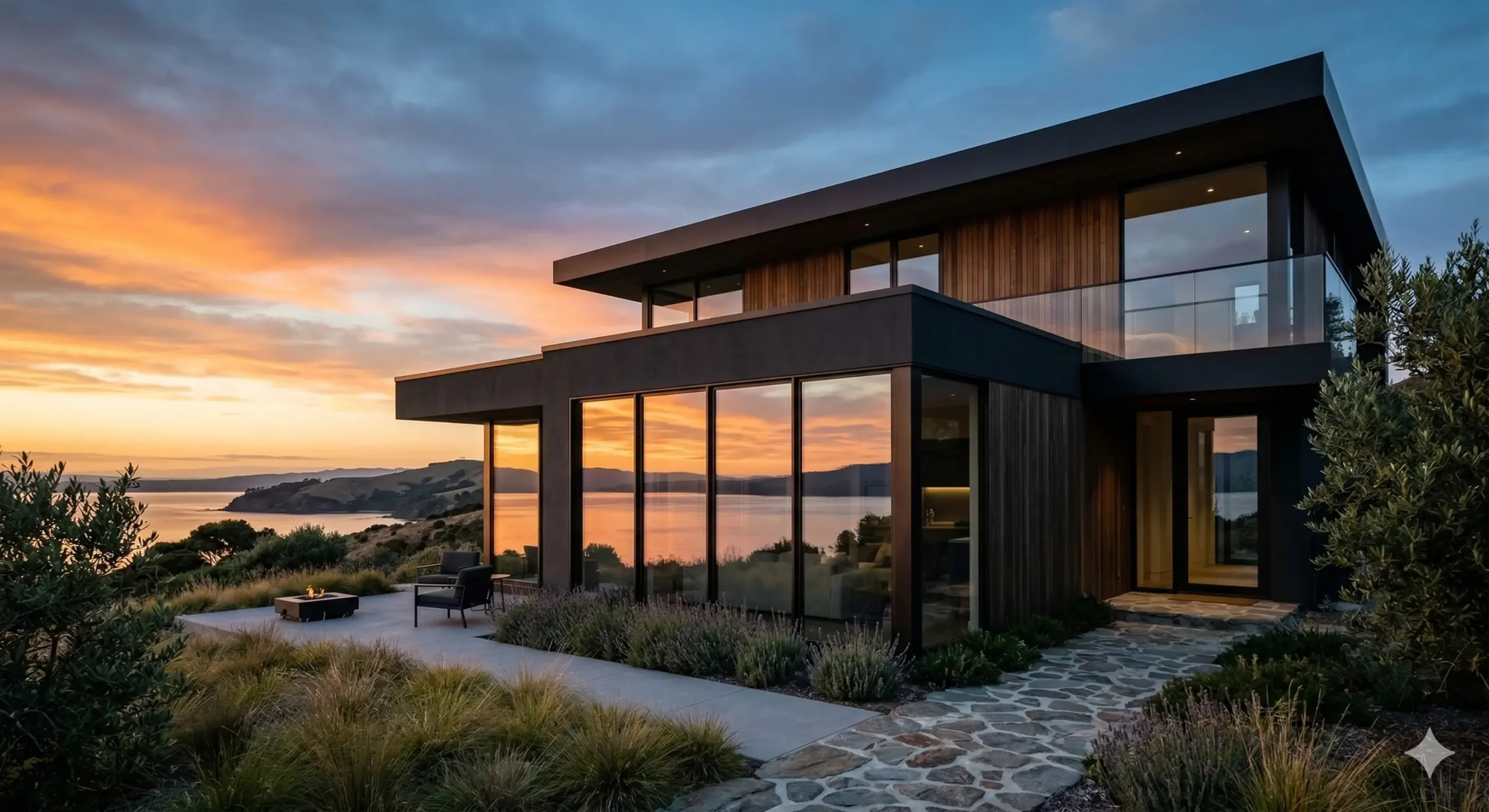
Modern energy efficiency doesn’t mean sacrificing style. Black frames have become a massive trend in recent years, offering a bold, industrial look that pairs beautifully with energy-efficient glass. Manufacturers are now producing these in thermally-broken aluminum and fiberglass to ensure style meets performance.
Conclusion: Is It Worth the Price?
Ultimately, the cost of energy-efficient window installation is a balance between your immediate budget and your future savings. By selecting the right materials and hiring a certified professional, you transform your home into a more sustainable, quiet, and valuable asset.
Start by assessing your oldest windows first. You don’t always have to do the whole house at once; tackling the rooms you use most can provide immediate relief to your wallet and your comfort levels. At myguideline.store, we believe informed decisions lead to the best home improvements.