Understanding Foundation Repair Costs
It’s a moment no homeowner wants: discovering cracks in the walls or finding the front door won’t latch.
These signs can point directly to foundation problems, sending a chill down your spine—and a potential dent in your wallet.
But don’t panic just yet. Understanding the landscape of foundation repair costs is the first step toward reclaiming your peace of mind.
This guide will walk you through everything you need to know about what you might expect to pay, how these costs break down, and how to navigate the repair process intelligently.
Let’s dive in and demystify the numbers, moving away from uncertainty and toward a solid plan for your home.
The Average Costs: A Starting Point
So, what is the ‘average’ foundation repair cost in the USA? It’s a broad question with an even broader answer.
Generally speaking, homeowners might spend anywhere from $2,500 to $10,000 for repairs, with the national average hovering around $5,000 for standard work.
However, it’s crucial to understand that ‘average’ is just a midpoint, and your specific costs could be significantly lower or higher.
For example, repairing a minor hairline crack might only cost a few hundred dollars, while a major stabilizing project involving multiple piers could exceed $20,000.
Let’s break down some common repairs and their rough cost ranges to give you a clearer picture.
- Crack Repair (Minor): $250 – $800+ (depending on type, location, and severity).
- Crack Repair (Major/Structural): $1,500 – $5,000+.
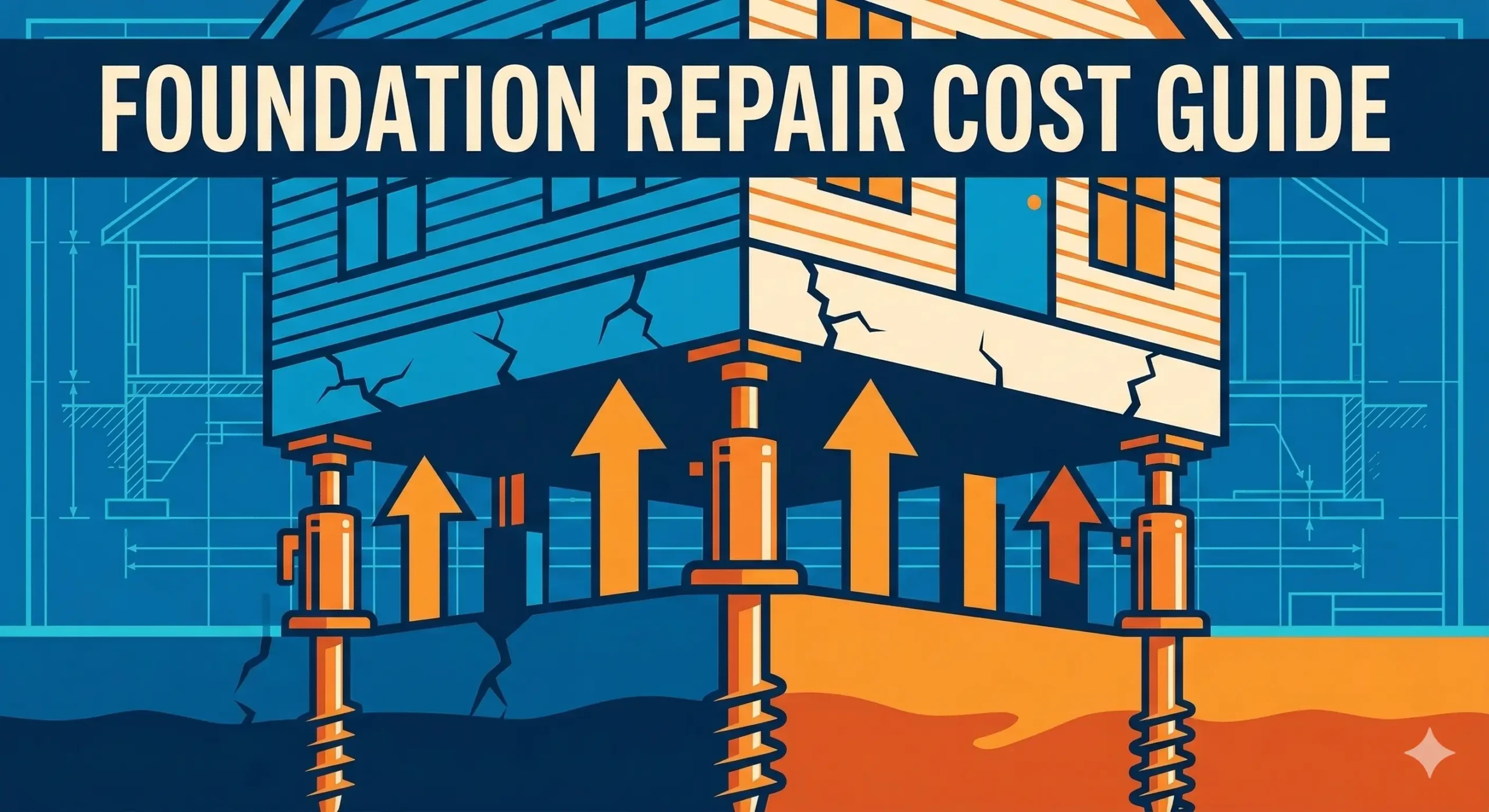
- Piers/Underpinning: $1,000 – $3,000+ PER PIER (and a large house might need 10-20 piers).
- Stabilizing/Bracing (Crawl Space/Basement): $2,000 – $8,000+.
- Waterproofing (Basement): $2,000 – $10,000+.
- Soil Stabilization: $2,000 – $6,000+.
It’s important to remember these are estimates. The true cost of any repair is always determined after a thorough inspection and analysis by a professional.
Key Factors That Drive Foundation Repair Costs
Why such a wide variation in price? Several significant factors come into play, and understanding them helps you see where your project might land.
1. The Type and Severity of the Problem
This is arguably the single biggest cost driver. Are you dealing with a minor crack, or is your entire foundation settling?
Structural problems that threaten the integrity of your home cost exponentially more to fix than cosmetic issues like small, non-moving cracks.
The earlier you catch a problem, the less severe—and less expensive—it’s likely to be to repair.
2. The Specific Repair Method Required
As we saw above, different problems require different solutions, each with its own price tag.
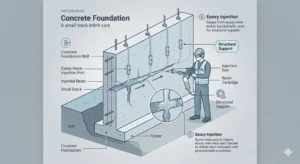
A simple crack injection is far less intensive than installing a network of steel piers to lift and stabilize a sinking home.
Your repair professional will recommend the method best suited to your specific situation, and that method will heavily influence your final cost.
3. The Accessibility and Size of the Foundation
How easy is it for the crew and equipment to get to the damaged areas?
If they need to work in a tight, difficult-to-reach crawl space or excavate around delicate landscaping, expect to pay more.
Likewise, larger homes naturally require more materials, labor, and time for repairs, simply due to their size.
4. Soil and Environmental Conditions
The type of soil your home is built on significantly affects foundation stability.
Expansive clay soils, which swell when wet and shrink when dry, are a major cause of foundation movement.
Areas with unstable soil conditions may require more complex (and expensive) repair strategies, like drilling piers much deeper.
5. Your Geographic Location
Cost of living, material costs, and labor rates all vary by region.
Repairing a foundation in a high-cost area like California or New York will inevitably cost more than a similar repair in a less expensive area.
Also, local demand for foundation specialists can impact pricing.
Budgeting for Your Repair and Finding the Right Help
Given these variables, how do you even begin to budget for foundation repair? It can feel overwhelming, but a systematic approach makes it manageable.
Your Budgeting Roadmap: A Step-by-Step Approach
- Don’t Delay: The moment you suspect a problem, act. Early detection is your best cost-saving measure.
- Schedule a Professional Inspection: A structural engineer or qualified foundation repair specialist can identify the true scope of the problem. This isn’t the place for a DIY diagnosis. Expect to pay $300-$800 for a detailed engineering report, but it’s well worth it.
- Gather Multiple Detailed Estimates: Get quotes from at least three reputable foundation repair companies. Ensure they’re comparing apples to apples, specifying the repair method, materials, and scope.
- Analyze and Understand the Proposed Solutions: Don’t just go for the cheapest option. Ask detailed questions. Understand why they are recommending a specific method and how it addresses the root cause.
- Review Contractor Qualifications and Guarantees: Look for experienced, licensed, and insured contractors. Check their references and online reviews carefully. Inquire about their warranties—a good warranty can save you thousands down the road if issues recur.
- Secure Financing (If Needed): Foundation repairs can be expensive, and most people don’t have that much cash lying around. Look into personal loans, home equity loans, or even specialized foundation repair financing options.
- Factor in Potential Related Costs: Remember that foundation work is disruptive. You might need to repair drywall, repaint, replace flooring, or even address plumbing issues that arose from the foundation movement. Factor these associated costs into your overall budget.
- Prepare for the Process: Understand what the repair process will look like. Will it require heavy machinery? Will they need access to the inside of your home? How long will it take? Good communication with your contractor is key.
By following this roadmap, you’ll move from feeling helpless to feeling in control of the situation and your finances.
A Look at Pros and Cons: Engineering Report vs. Contractor Estimate
You might be wondering if you really need to hire an independent structural engineer, or if you can just get estimates from repair contractors. Here’s a brief look at the pros and cons of each:
| Option | Pros | Cons | Best For… |
|---|---|---|---|
| Independent Structural Engineer Report | Unbiased assessment, professional engineering expertise, provides a specific repair plan. | Additional upfront cost ($300-$800+), doesn’t perform the actual repair. | Determining the *true* source and extent of complex problems, getting a second opinion. |
| Contractor Estimate | Free (usually), can lead directly to a contract for the work, understands local repair costs. | Potential conflict of interest (they want to sell you their specific repair method), may misdiagnose the *root cause* to suggest their service. | Getting specific pricing on *known* minor or straightforward repairs. |
Ultimately, for significant structural concerns, investing in an independent engineer’s report is usually a wise and cost-effective decision.
Final Thoughts: Your Home’s Long-Term Health
Foundation repair isn’t just about fixing cracks; it’s about protecting one of your most valuable assets and ensuring your home’s long-term health and stability.
While the potential costs can be daunting, understanding the variables, getting professional assessments, and carefully considering your options are all crucial steps to make informed and cost-conscious decisions.
Remember, your home’s foundation is literally the bedrock of its integrity. Addressing problems properly and professionally, even if it feels expensive now, is almost always the most cost-effective and secure choice in the long run.
By using the information and roadmap in this guide, you can face your foundation repair needs with confidence, a clear plan, and a realistic understanding of what to expect, ultimately ensuring a strong and sturdy home for years to come.
For more home repair insights and resources, explore the other helpful guides available on myguideline.store. Happy (and stable!) living!