Understanding Roof Repair Costs in 2026
Finding a leak in your ceiling is never the highlight of a Tuesday morning. It often feels like a race against the clock (and the clouds) to get it fixed before minor moisture turns into a major structural headache. In 2026, staying ahead of these repairs is as much about financial planning as it is about home maintenance.
The average homeowner is currently looking at a national range of $3.50 to $12.00 per square foot for professional roof repairs. While that might seem like a wide gap, it accounts for everything from a simple shingle swap to complex flashing work on a steep-pitched Victorian home.
Think of your roof like a high-performance jacket. If a single button falls off, it’s a quick fix. But if the waterproof lining starts to shred, you’re looking at a much more involved restoration. Let’s break down exactly what you’re paying for when the roofer climbs the ladder.
Cost Breakdown by Material
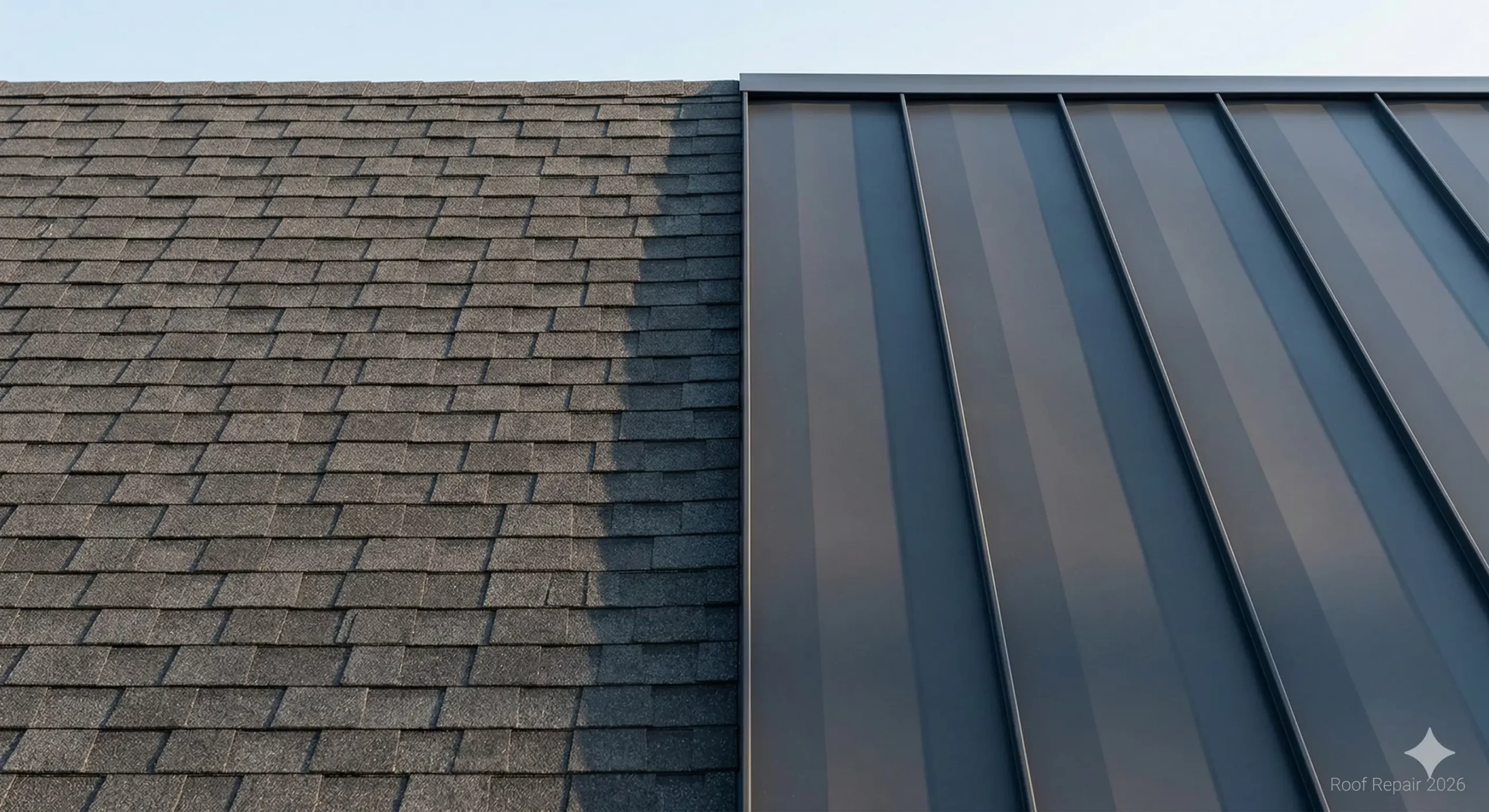
Not all roofs are created equal, and neither are their repair bills. The material on top of your home is the primary driver of cost because it dictates both the price of the replacement parts and the specialized skill required to install them.
- Asphalt Shingles: Still the most common choice, repairs typically run $3.50 to $7.00 per square foot. These are lightweight and easy to handle, keeping labor costs manageable.
- Metal Roofing: Due to the precision needed for seams and fasteners, expect to pay $7.00 to $15.00 per square foot. Metal is durable, but specialty tools make repairs pricier.
- Tile and Slate: These premium materials require expert hands. Repairs often land between $12.00 and $25.00 per square foot, as these heavy materials are prone to cracking if walked on incorrectly.
For example, patching a small 100-square-foot section of a standard asphalt roof might cost you around $500, whereas the same sized repair on a slate roof could easily crest $2,000 due to material scarcity and labor intensity.
Key Factors Influencing Your Estimate
Beyond materials, several “invisible” factors can nudge your quote up or down. Contractors aren’t just looking at the hole in the roof; they’re looking at how hard it is to get to that hole and what’s happening underneath the surface.
Roof Pitch and Complexity: A flat roof is a walk in the park for a pro. A “steep-slope” roof requires safety harnesses, scaffolding, and more time, which can add a 20% premium to the labor charge. If your roof has multiple chimneys, skylights, or valleys, the intricate flashing work required around those features will also increase the cost.
The Condition of the Decking: Sometimes the leak has been active longer than you realized. If the plywood sheathing (the decking) underneath your shingles has rotted, it must be replaced before the new shingles go on. This “hidden” repair usually costs an additional $3.00 to $6.00 per square foot for materials and labor.
2026 Roof Repair Roadmap
If you’ve spotted a problem, here is a simple path to getting it resolved without overspending. Following a structured approach helps ensure you aren’t pressured into a full replacement when a repair would suffice.
- Visual Inspection: Safely use binoculars from the ground to look for missing shingles, cracked tiles, or debris buildup in valleys.
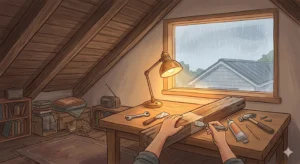
- Identify the Source: Check your attic for water stains or damp insulation. Water often travels along rafters, so the leak might be higher up than the ceiling stain suggests.
- Gather Three Quotes: Never settle for the first estimate. Ensure each roofer provides an itemized list of materials and labor hours.
- Verify Licensing and Insurance: In 2026, roofing scams are unfortunately common. A reputable pro will always have up-to-date liability insurance and a local business license.
- Review the Warranty: Ask if the repair work is warrantied. Even a small patch should come with a 1-year workmanship guarantee.
Labor Rates: What Are You Paying For?
In 2026, skilled roofing labor averages $50 to $100 per hour per worker. Most small repairs require a two-person crew for safety and efficiency. This means a “simple” half-day job often starts with a base labor cost of around $400 before a single nail is driven.
Pro Insight: Always check if your repair qualifies as an “emergency.” If you need a tarp and immediate help during a storm or on a weekend, expect to pay a flat fee of $150 to $300 just for the call-out, on top of the actual repair costs.
Repair vs. Replace: The 30% Rule
A question every homeowner faces is whether to keep patching or just bite the bullet and replace the whole thing. A helpful industry rule of thumb is the 30% Rule: If the cost of the repair exceeds 30% of the total cost of a new roof, or if more than 30% of the roof surface is damaged, replacement is usually the better long-term financial move.
For instance, if a full replacement costs $12,000 and your repair quote is $4,000, you are right at that threshold. If your roof is already 15 years old, that $4,000 might be better spent as a down payment on a brand-new 30-year roof system.
Final Thoughts
Roofing costs in 2026 reflect a market that values high-quality, weather-resistant materials and skilled craftsmanship. While spending $800 on a small repair might sting, it is a bargain compared to the $20,000 you might spend to fix structural rot and interior water damage caused by neglect.
Keep your gutters clean, trim overhanging branches, and address small leaks the moment they appear. Your roof—and your bank account—will thank you for the proactive care.