Understanding the Basics of Drain Maintenance Costs
Managing a home involves balancing comfort with consistent upkeep. One of the most common yet overlooked maintenance tasks is drain cleaning. Whether it is a slow kitchen sink or a backed-up main sewer line, understanding the financial landscape of plumbing services helps you make informed decisions.
On average, homeowners can expect to pay anywhere from $100 to $600 for professional drain cleaning. The final price tag depends heavily on the severity of the clog and the location of the blockage within your plumbing system. For instance, a simple sink clog is far less intensive than clearing a root-infested main line.
At myguideline.store, we believe that transparency in pricing allows for better home management. By identifying the type of service you need early on, you can prevent a minor $150 service call from spiraling into a $3,000 pipe replacement project.
Factors That Influence Professional Pricing
Plumbing rates are rarely one-size-fits-all. Several variables dictate how much a technician will charge once they arrive at your door. The most significant factor is the complexity of the equipment required to solve the problem.
Accessibility plays a massive role in labor costs. A drain that is easily reached under a bathroom vanity will cost less to service than a basement floor drain that requires moving heavy appliances or navigating tight crawlspaces.
Time and geography also matter. Emergency services provided after hours or on weekends typically incur a premium fee. Additionally, if you live in a high-cost urban area, you may find that base service rates are 20% to 30% higher than in rural regions.
Average Cost Breakdown by Service Type
To help you budget effectively, it is useful to categorize drain cleaning by the specific method used. Professionals choose their tools based on the nature of the obstruction, ranging from soft hair clogs to solid grease deposits.
| Service Method | Typical Price Range | Best For |
|---|---|---|
| Standard Snaking | $100 – $250 | Toilets, Sinks, Tubs |
| Hydro-Jetting | $350 – $900 | Heavy Grease, Tree Roots |
| Camera Inspection | $200 – $500 | Locating Deep Blocks |
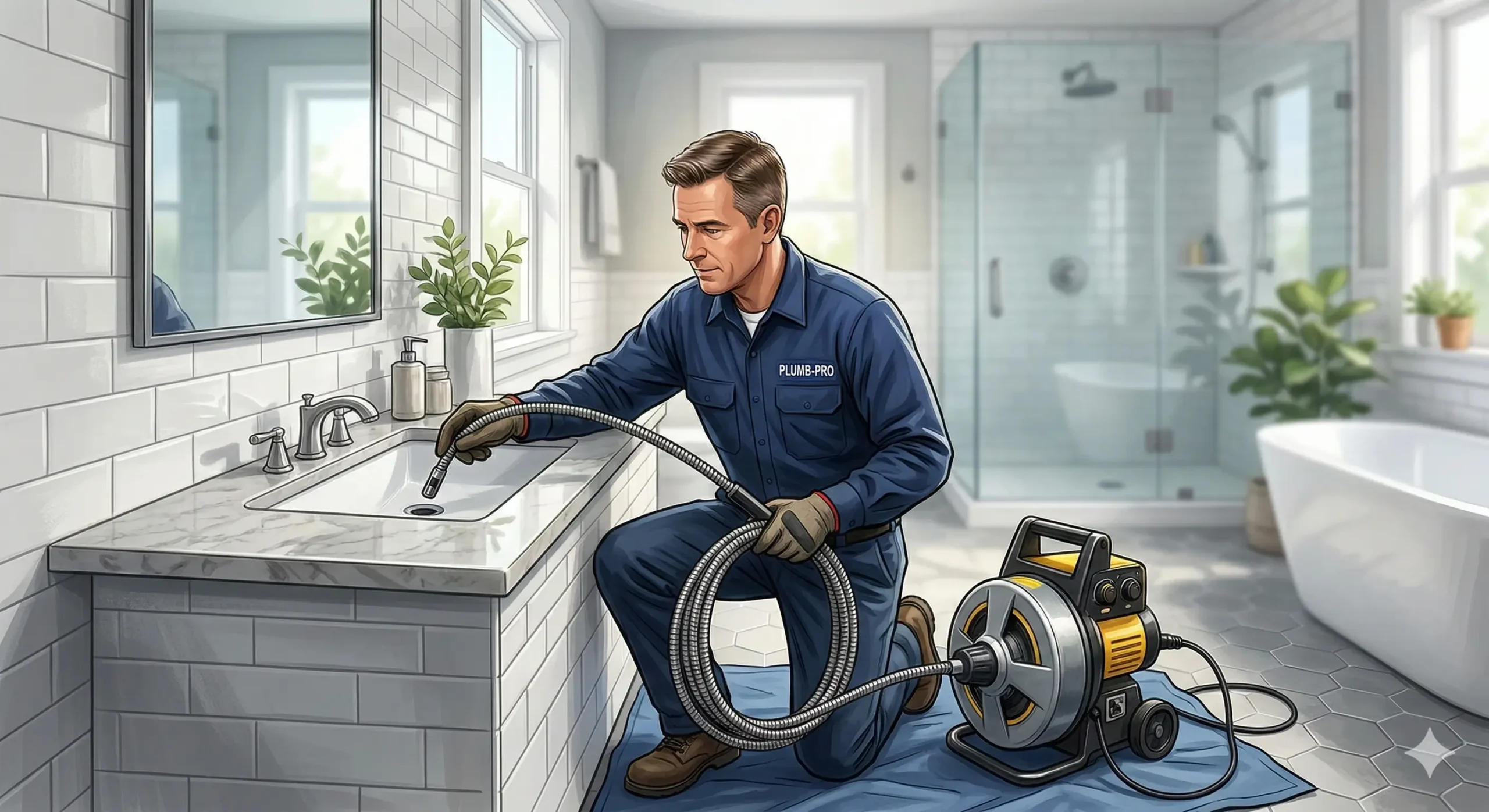
Standard snaking uses a motorized cable to break apart clogs. This is the go-to solution for everyday issues. If the plumber encounters a stubborn blockage, they might suggest hydro-jetting, which uses high-pressure water to scrub the interior walls of your pipes clean.
The Role of Video Camera Inspections
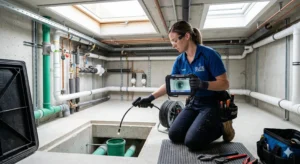
Sometimes, a plumber cannot clear a drain because they are working blindly. In these cases, a video camera inspection is recommended. A waterproof camera is fed through the pipes to provide a real-time visual of the obstruction.
While this adds an upfront cost of $200 to $500, it can save thousands in the long run. For example, if the camera reveals a collapsed pipe rather than a simple clog, you can stop wasting money on temporary cleaning and move directly to necessary repairs.
Many modern plumbing companies will bundle the camera inspection fee into the total repair cost if you choose to move forward with their recommended solution. Always ask if this discount is available before signing a contract.
Tips for Hiring a Reliable Plumber
- Request a flat-rate quote rather than an hourly estimate to avoid surprises.
- Verify that the plumbing company is licensed and carries liability insurance.
- Check online reviews specifically for “drain cleaning” to see their success rate.
- Ask if the work comes with a labor warranty, usually ranging from 30 to 90 days.
DIY vs. Professional Service: Cost Comparison
For the handy homeowner, a small clog might seem like a weekend project. Renting a medium-duty drain auger from a local hardware store usually costs between $30 and $75 per day. This is a significant saving compared to a professional visit.
However, DIY efforts come with risks. Using the wrong size snake or applying too much force can crack older PVC pipes or damage porcelain fixtures. If a DIY attempt goes wrong, the subsequent repair bill could easily double the original professional cleaning estimate.
Chemical drain cleaners are another common DIY choice, usually costing under $20. While convenient, these chemicals are often caustic. Frequent use can corrode metal pipes and create a hazardous environment for any plumber who has to work on those pipes later.
Long-Term Savings Through Preventative Maintenance
The most cost-effective way to handle drain cleaning is to ensure it is rarely needed. Preventative measures cost almost nothing but can extend the life of your plumbing system by decades.
Simple habits, like using mesh strainers in kitchen sinks to catch food scraps, can prevent the majority of common clogs. In the bathroom, cleaning hair out of the tub stopper weekly prevents the “slow drain” syndrome that eventually leads to a total backup.
Consider an annual professional “check-up” for your main sewer line if you live in an older home with large trees. Spending $200 once a year for a quick cleaning is much more manageable than a $5,000 emergency sewer excavation in the middle of winter.
Practical Maintenance Checklist
- Flush kitchen drains monthly with a gallon of boiling water to melt grease.
- Avoid putting fibrous vegetables, eggshells, or coffee grounds down the disposal.
- Use an enzymatic cleaner once a month to break down organic buildup safely.
- Never pour liquid fats or oils down any drain in the house.
Notes on Hidden Costs
Be aware that “starting at” prices advertised by plumbing companies often cover only the first 30 minutes of labor or a specific length of cabling. If your blockage is 100 feet down the line, expect additional per-foot charges.
Furthermore, if a plumber needs to remove a toilet to access a main drain, there will be an additional fee for the labor and a new wax ring seal. This usually adds $50 to $150 to the total bill.
Final Thoughts on Budgeting for Drains
Drain cleaning is a fundamental aspect of maintaining a healthy home environment. While the costs can vary, being proactive is always the most economical strategy. By understanding the pricing tiers and knowing when to call in the experts, you protect both your pipes and your wallet.
We hope this guide has provided the clarity you need to navigate your next plumbing challenge with confidence. Remember, a clear drain today prevents a massive headache tomorrow.
Would you like me to create a specific maintenance schedule for your home’s age and pipe type?