Understanding the Real Stakes of Foundation Cracks
Finding a crack in your foundation can feel like discovering a fraying thread on a favorite sweater. At first, it’s just a visual nuisance, but there is always that lingering worry: will the whole thing eventually come apart? In 2026, the cost of addressing these issues reflects a mix of advanced materials and the specialized labor required to keep your home’s “bones” strong.
The good news is that not every crack is a catastrophe. Many are simply the house “stretching” as it settles into the earth. However, knowing the difference between a $300 cosmetic touch-up and a $15,000 structural intervention is the key to maintaining both your peace of mind and your bank account balance.
The 2026 Price Breakdown by Crack Type
When it comes to pricing, the shape and direction of the crack tell the story. Think of a vertical crack as a minor wrinkle—usually caused by natural settling. A horizontal crack, however, is more like a bulging muscle under too much strain; it suggests the soil outside is pushing against your walls with dangerous force.
| Crack Severity | Average Cost Range (Per Crack) | Common Repair Method |
|---|---|---|
| Hairline / Vertical | $250 – $800 | Epoxy or Polyurethane Injection |
| Structural / Horizontal | $1,000 – $5,000 | Carbon Fiber Straps or Wall Anchors |
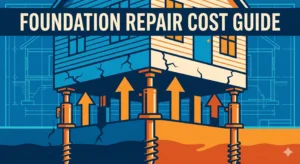
| Major Settlement | $5,000 – $25,000+ | Piering or Underpinning |
Minor Non-Structural Repairs
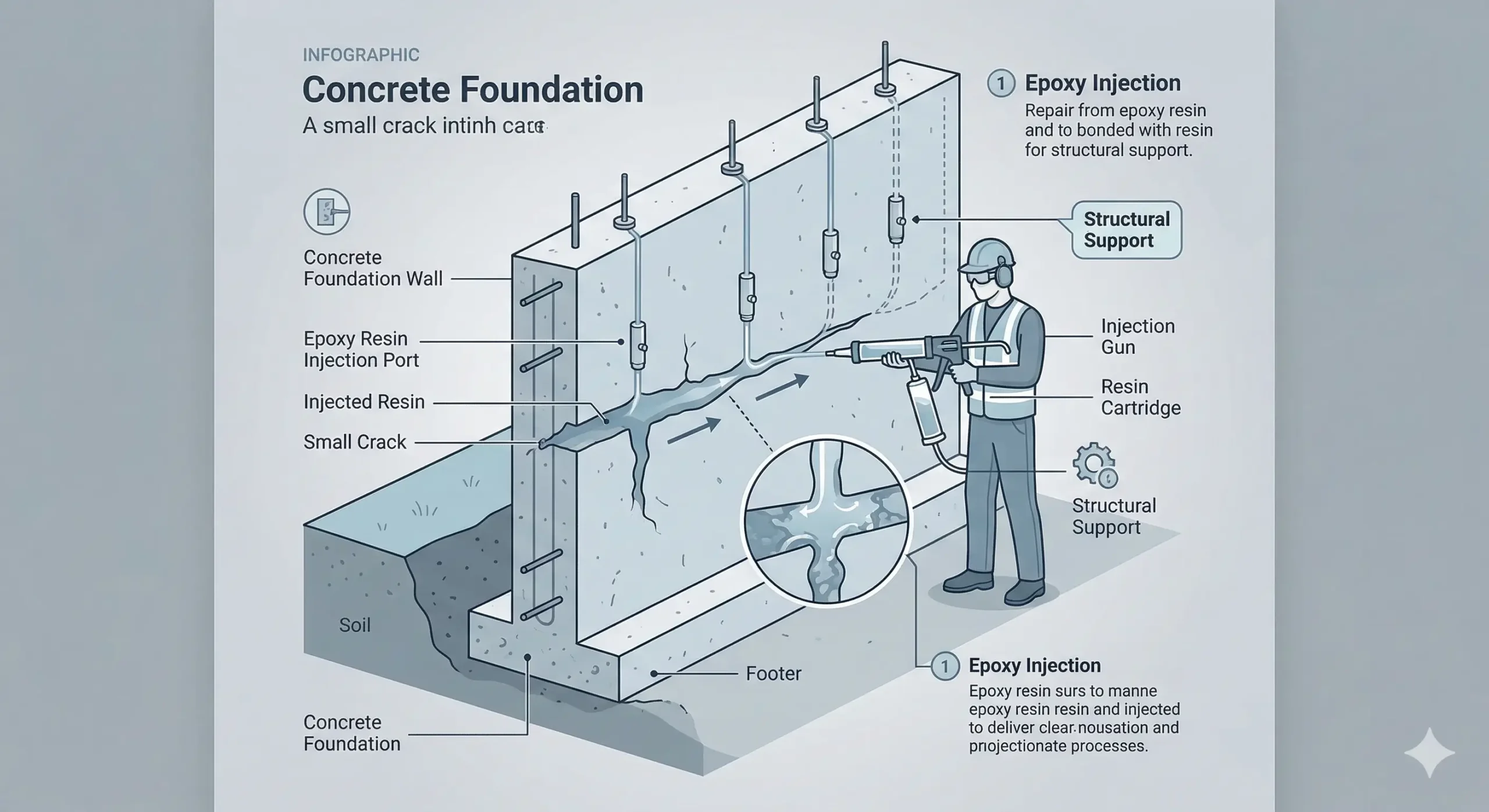
For small, non-structural gaps, professional-grade injections are the gold standard. In 2026, most homeowners spend between $350 and $900 per crack for these services. These injections act like a high-tech adhesive, filling the void and sealing out moisture, which prevents the cycle of freezing and expanding that makes cracks grow.
Structural Reinforcement Costs
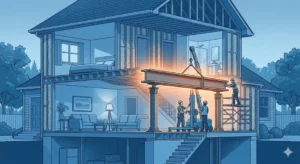
If the crack is wide enough to fit a coin or is running horizontally, you’re likely looking at reinforcement. Carbon fiber strips have become incredibly popular this year because they are thin, paintable, and stronger than steel. Expect to pay $900 to $2,000 per strip, with most bowing walls requiring several for a permanent fix.
The Variables That Move the Needle
Why do quotes vary so much? It’s rarely just about the crack itself. Accessibility is a major driver. If a technician can walk right up to the crack in an unfinished basement, the labor is straightforward. However, if they have to dig out your prize-winning rose bushes or remove custom cabinetry, the price climbs quickly.
Soil chemistry also plays a role. If you live in an area with expansive clay, the repair isn’t just about fixing the crack—it’s about stabilizing the ground. This might involve soil stabilization or improved drainage systems, which can add $1,500 to $4,000 to your total project cost.
DIY vs. Professional: Is Saving Money Worth the Risk?
It is tempting to grab a $150 injection kit from the local hardware store. For a small, dry crack in a garage floor, this might be a fine Saturday project. But for anything involving a basement wall or structural support, the DIY route can be a gamble that ends in a much larger bill later.
A professional doesn’t just plug the hole; they diagnose why the hole appeared. If you seal a crack that is actually caused by a sinking corner, the pressure will simply find a new place to escape, often resulting in a new, larger crack a few months later. Additionally, professional repairs often come with transferable warranties that protect your home’s resale value.
Micro-Case Example: A homeowner in Ohio noticed a thin vertical crack and spent $120 on a DIY sealant. Two years later, the sealant failed because the underlying drainage issue wasn’t addressed. The resulting water damage and professional re-sealing cost them $3,200—nearly four times the original professional quote they had declined.
Conclusion: Protecting Your Foundation for the Long Haul
Fixing a foundation crack is rarely about the concrete; it’s about protecting the life you’ve built on top of it. While the upfront costs of $500 to $5,000 for moderate repairs can feel steep, they are a drop in the bucket compared to the cost of a total foundation failure, which can soar past $40,000 in today’s market.
By catching these issues early and choosing the right repair method for your specific soil and structure, you aren’t just spending money—you’re securing your home’s future. Keep an eye on those walls, keep your gutters clean, and don’t be afraid to call in an expert for a quick look. Your home will thank you for it.
Would you like me to help you draft a checklist of signs that indicate a foundation crack has become a structural emergency?