Finding a damp spot on your ceiling is rarely the highlight of a homeowner’s week. It usually starts as a small, tea-colored ring, but it represents a much bigger question: how much is this going to cost?
Roof repairs can be a source of anxiety, but understanding the price landscape helps turn that stress into a manageable plan. Most homeowners find themselves spending between $300 and $1,500 for typical leak repairs.
While that range is broad, the final number depends on how early you catch the drip and what’s happening on top of your house. Let’s dive into the specifics of what shapes your final invoice.
The Primary Drivers of Repair Costs
No two roofs are exactly alike, and neither are their problems. The cost of a repair is generally a puzzle made of three main pieces: materials, labor time, and the complexity of the fix.
Think of it like a car repair. Replacing a windshield wiper is cheap and fast, while fixing an engine leak takes specialized parts and hours of expert labor. Roofs follow a very similar logic.
Minor fixes, like replacing a few missing shingles or resealing a vent pipe, stay on the lower end of the scale. However, if water has reached the structural wood underneath, the project shifts from a quick patch to a minor renovation.
Common Repair Price Points
| Repair Type | Estimated Cost Range | Common Cause |
|---|---|---|
| Shingle Replacement | $150 – $400 | Wind or debris damage |
| Flashing Repair | $300 – $600 | Dried sealant around chimneys |
| Vent Pipe Boot | $200 – $500 | Cracked rubber seals |
| Major Structural Fix | $1,500 – $3,500+ | Long-term neglect or rot |
How Roofing Materials Impact the Bill
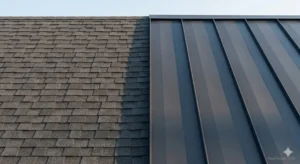
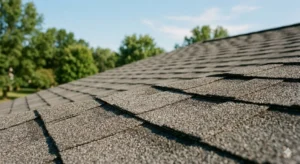
The type of armor your house wears dictates the cost of the replacement parts. Asphalt shingles are the most common and generally the most budget-friendly to repair because the materials are widely available.
If you have a metal roof, repairs might involve specialized sealants or matching specific panel profiles, which can nudge the price upward. Metal is durable, but it requires a specific touch to ensure it stays watertight.
Tile and slate roofs are at the top of the luxury and cost pyramid. These materials are heavy and fragile; a contractor has to walk on them very carefully to avoid breaking more tiles while trying to fix one.
Expect to pay a premium for these specialized materials. For example, replacing a single cracked slate tile requires more skill and a higher material cost than nailing down a strip of asphalt composite.
The Role of Roof Pitch and Accessibility
The physical layout of your home plays a hidden role in the quote you receive. A flat or low-slope roof is easy for workers to walk on, making the labor faster and safer.
If your roof has a steep pitch—meaning it looks more like a mountain peak than a gentle hill—contractors must use harnesses and specialized safety equipment. This extra prep time naturally adds to the labor cost.
Height also matters. A leak on a three-story Victorian home is much more difficult to reach than a leak on a single-story ranch. Moving ladders and hauling shingles up thirty feet takes time and muscle.
Accessibility issues, like a house tucked behind dense trees or a roof that can only be reached from one side of the property, can also lead to a small “complexity fee” on your estimate.
The Complexity of the Leak Location
Where the water is coming in is often more important than how much is leaking. Leaks in the middle of a flat surface are usually straightforward to patch with a few new shingles.
However, leaks often happen at “transition points,” such as valleys where two roof planes meet or around skylights. These areas use flashing—thin metal strips—to divert water away from seams.
Fixing flashing is a delicate surgery. It involves removing the surrounding shingles, replacing the metal, and resealing everything. Because it’s detail-oriented work, the labor cost is often higher than a simple patch.
Hidden Costs: What Lies Beneath
The biggest surprise for homeowners usually occurs when the shingles are pulled back. If the leak has been active for months, the wooden decking (the sheets of wood the shingles sit on) may be rotted.
A simple $400 shingle fix can quickly turn into a $1,200 job if the contractor discovers they need to replace several sheets of plywood and soggy insulation. It’s like finding rust when you thought you just needed a paint touch-up.
Water can also travel. A leak in the attic might show up as a drip in the kitchen ten feet away. Professional roofers often spend a good deal of time tracing the water’s path before they even start the repair.
Always set aside a small “contingency fund” of about 10% to 20% of your initial quote. This ensures that if the roofer finds a structural surprise, you’re prepared to fix it properly the first time.
Saving Money on Roof Repairs
While you can’t change the price of materials, you can control the timing. The best way to save money on roof repairs is to catch them during a routine inspection rather than during a rainstorm.
Small maintenance tasks, like cleaning your gutters, prevent water from backing up under the shingles. Clogged gutters are a leading cause of avoidable roof leaks during the winter months.
It’s also wise to check your roof from the ground with binoculars after a heavy windstorm. If you see a shingle sitting in the yard or a piece of metal flapping, call a pro immediately.
Fixing a $200 problem today prevents a $2,000 problem next year. Think of roof maintenance like a dental cleaning; it’s much cheaper and less painful than a root canal.
Conclusion
Roof leak repairs are an essential part of protecting your home’s value. While the average cost sits around $750, being proactive and understanding your roof’s specific needs can help you stay on the lower end of that range.
By choosing the right materials and addressing issues as soon as they appear, you can keep your home dry and your budget intact. A sturdy roof over your head is one of the best investments you can make.