The Hidden Reality of Sewer Line Replacement
For most homeowners, the sewer line is a classic case of “out of sight, out of mind.” That is, until a slow drain or a strange smell in the yard brings it front and center. Understanding the costs involved in replacing this critical infrastructure is the first step toward reclaiming your peace of mind.
Replacing a sewer line is rarely a simple flat-fee project. It is a complex dance between excavation, specialized equipment, and municipal regulations. In this guide, we will break down the numbers so you can plan your budget without the stress of the unknown.
Quick Insight: Most homeowners spend between $3,000 and $12,000 for a full replacement, though localized repairs can be significantly cheaper depending on the access point.
Breaking Down the Primary Cost Drivers
The total on your invoice isn’t just a random number; it is dictated by several physical factors. The depth of the pipe is often the biggest culprit. A pipe buried three feet down is much easier to reach than one resting eight feet below a concrete driveway.
Think of it like digging a small garden bed versus digging a swimming pool. The deeper the crew has to go, the more heavy machinery is required, and the more labor hours pile up. Additionally, the length of the run from your house to the city main determines how much material you’ll need to purchase.
Material Choices and Their Impact
Modern sewer lines typically use PVC or ABS plastic, which are durable and resistant to tree root intrusion. Older homes might still have clay or cast iron, which are prone to cracking over time. While plastic pipes are relatively affordable, the labor to install them remains the bulk of the expense.
If your contractor suggests high-density polyethylene (HDPE) for a “trenchless” application, the material cost might be slightly higher, but you often save significantly on the back-end by not having to rebuild your porch or replant your lawn.
Trenching vs. Trenchless Technology
Traditionally, replacing a sewer line meant digging a massive ditch through your property. This is known as the “open-cut” method. While the plumbing work itself might be cheaper, the “collateral damage” to your landscaping, sidewalks, and driveway can add thousands to your total recovery cost.
Trenchless technology, such as pipe bursting or pipe lining, is the modern alternative. It’s like performing laparoscopic surgery on your yard. By creating only two small entry points, technicians can pull a new pipe through the old one, leaving your rose bushes and patio completely untouched.
| Method | Average Cost Per Foot | Best For |
|---|---|---|
| Traditional Trenching | $50 – $125 | New builds or open yards |
| Pipe Bursting | $60 – $200 | Preserving landscaping |
| Pipe Lining (CIPP) | $80 – $250 | Structurally sound old pipes |
The Labor and Permit Factor
Plumbing is a highly skilled trade, and sewer work is among the most physically demanding. Labor usually accounts for 50% to 70% of your total bill. This includes the crew, the equipment operators, and the master plumber who oversees the technical connections.
Don’t forget the paperwork. Most municipalities require a permit for sewer work to ensure it meets health and safety codes. Depending on where you live, these permits can range from $100 to over $1,000. If your line crosses under a public street, you may also face “street cut” fees for repaving the road.
Common Cost Statistics
- Average national replacement cost: $7,500.
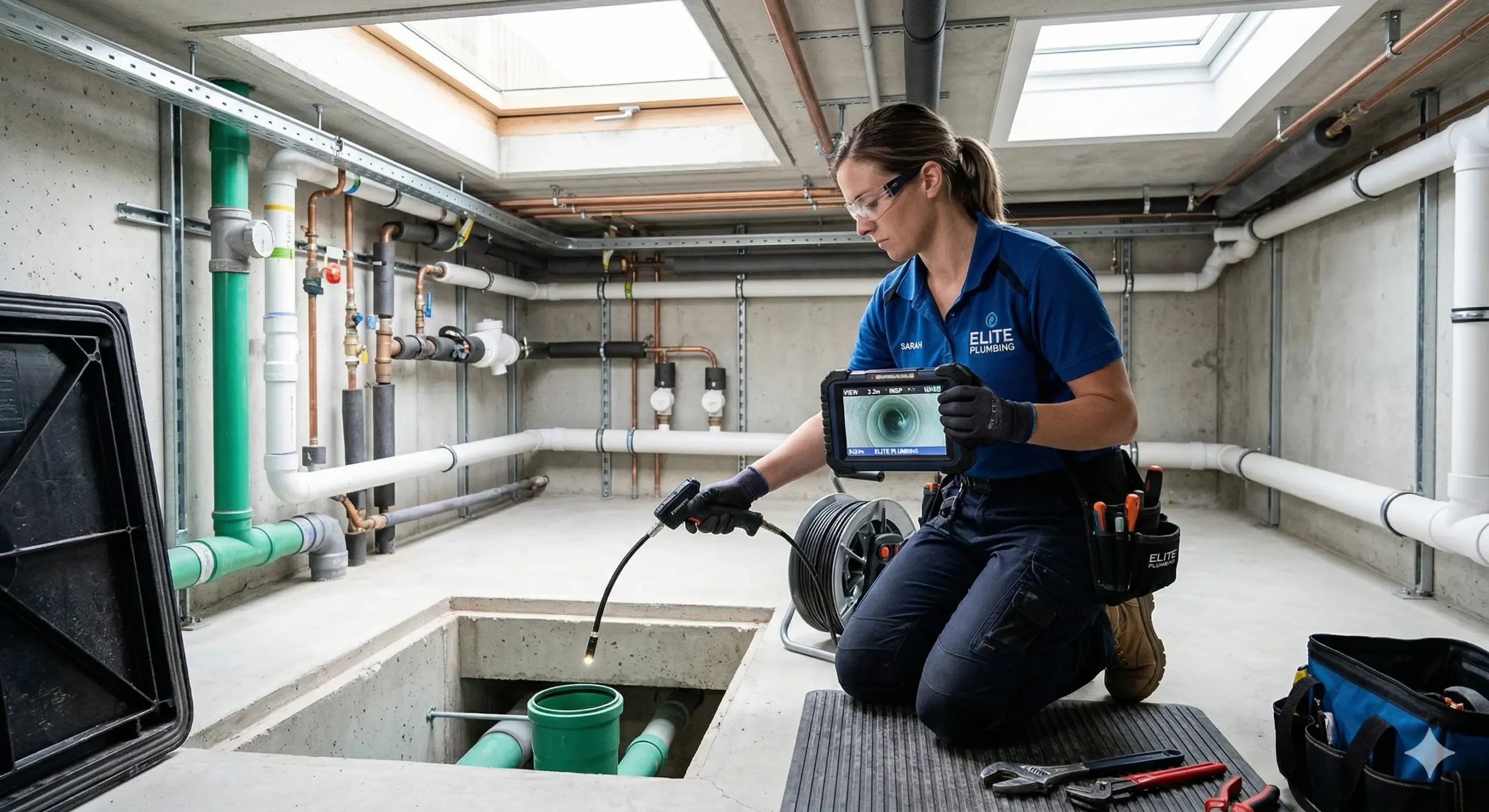
- Camera inspection fee: $250 – $500 (crucial for accurate quotes).
- Tree root removal: $300 – $600 (if a full replacement isn’t yet needed).
- Utility line marking: Usually free, but essential before digging begins.
Red Flags: When Is It Time to Replace?
It can be tempting to keep paying for a temporary “snake” or cleaning service every few months. However, if you are calling a plumber more than once a year for the same clog, you are likely pouring money down a broken drain. Signs of a failing line include gurgling toilets, soggy patches in the yard, or a sudden influx of pests.
Think of a sewer line like a car engine. You can change the oil (clean the line) to keep it running, but once the block is cracked, no amount of maintenance will fix the underlying structural failure. Investing in a replacement now prevents a messy, expensive backup in your basement later.
Final Thoughts for Homeowners
While a $10,000 price tag is daunting, a new sewer line is a 50-to-100-year investment. It adds value to your home and removes one of the most stressful “what if” scenarios from your life. Always get at least three quotes and insist on a video camera inspection before signing any contracts.
By understanding the difference between trenching and trenchless methods, and accounting for the depth and permits required, you can navigate this major home repair with confidence and clarity.