Navigating the Costs of a New Shower Installation
Upgrading your shower is one of the most impactful ways to increase your home’s value and improve your daily routine. However, the price tag for such a project can vary significantly depending on whether you are doing a simple swap or a complete overhaul.
On average, homeowners spend between $2,000 and $6,000 for a professional shower installation. At myguideline.store, we understand that every budget is unique, so breaking down these costs into manageable categories is the first step toward a successful renovation.
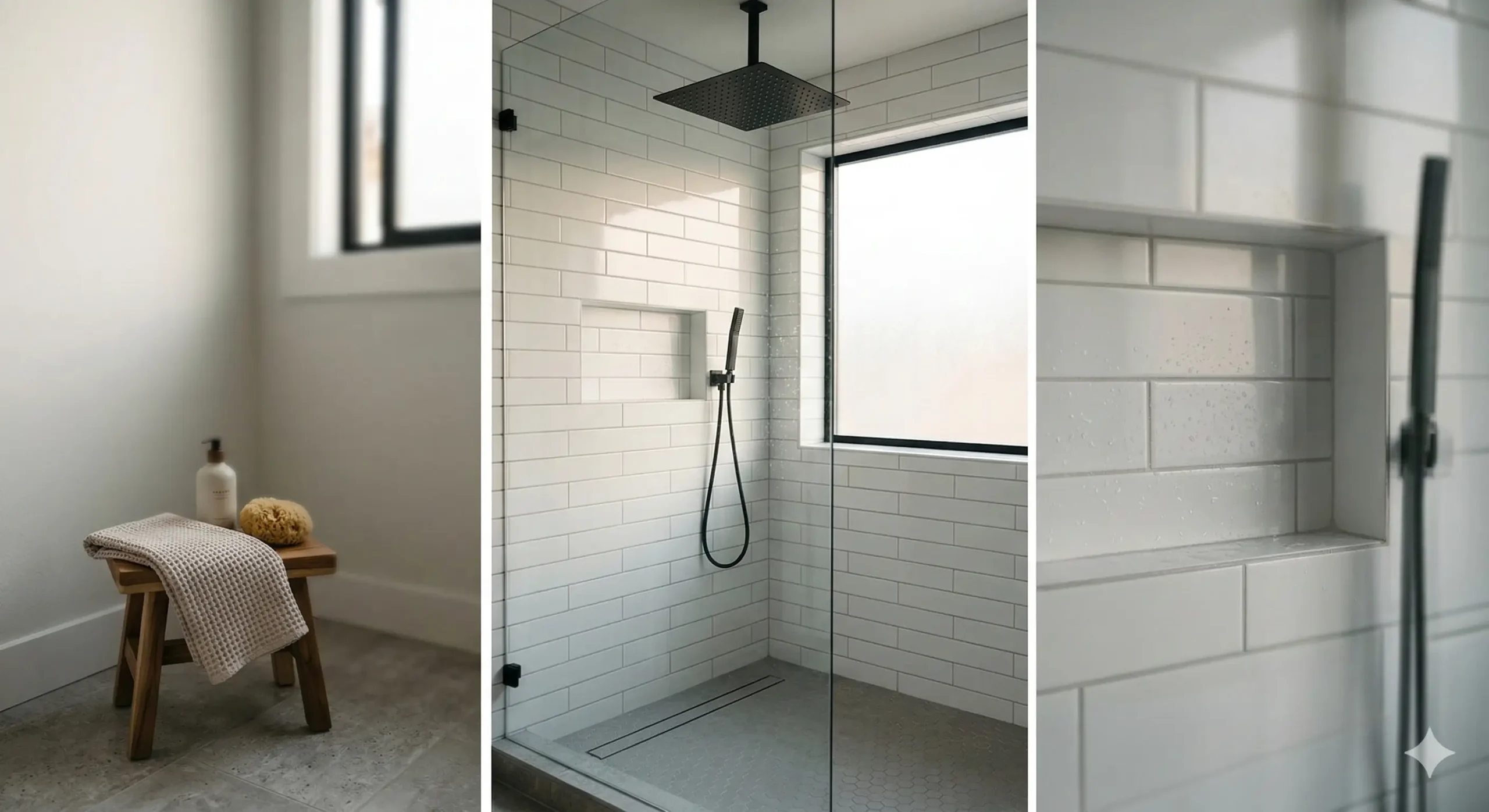
Whether you dream of a sleek glass walk-in or a functional prefab unit, understanding the variables—from plumbing to tile work—will help you avoid financial surprises mid-project.
Average Cost Breakdown by Shower Type
The type of shower you choose is the primary driver of your total expense. Prefabricated units are generally the most budget-friendly, while custom-tiled showers represent the higher end of the market.
| Shower Category | Estimated Cost (Installed) | Complexity Level |
|---|---|---|
| Prefabricated Stall | $1,000 – $2,500 | Low to Medium |
| Standard Walk-in | $3,000 – $6,500 | Medium to High |
| Custom Tile/Stone | $6,000 – $12,000+ | High |
For example, a prefab unit is made of fiberglass or acrylic and comes in pre-molded pieces. It is a fantastic choice for guest bathrooms where speed and utility are more important than a bespoke aesthetic.
Labor vs. Materials: Where the Money Goes
It is helpful to view your budget as two distinct halves: the physical materials and the skilled labor required to install them. In many bathroom projects, labor can actually account for 40% to 60% of the total bill.
Professional plumbers typically charge $45 to $150 per hour. If your new shower requires moving the drain or the water lines—for instance, changing a tub-shower combo into a standalone walk-in—your plumbing labor will increase substantially.
Materials include the shower pan, wall panels or tile, the showerhead, and the glass enclosure. A high-end frameless glass door alone can cost between $600 and $1,500, which is significantly more than a standard curtain rod setup.
Key Factors Influencing Your Final Quote
Beyond the shower itself, several external factors will influence the quotes you receive from contractors. The condition of your subfloor and the existing plumbing is often a wildcard.
If a contractor discovers water damage or mold behind your old tiles, repairs must be made before the new installation can proceed. This can add $500 to $2,000 to the project unexpectedly.
Accessibility is another factor. If you live in an apartment on the fourth floor with no elevator, expect to pay more for the labor of hauling heavy materials like cement board and tiles up the stairs.
Current Industry Statistics
- The average return on investment (ROI) for a mid-range bathroom remodel is approximately 60% to 70%.
- About 25% of shower installations involve converting an existing bathtub into a walk-in shower.
- Waterproof membrane failure is the leading cause of post-installation repairs, occurring in nearly 15% of non-professional DIY attempts.
The Realities of Tiling and Waterproofing
Tile work is a labor-intensive craft. The smaller the tile (like mosaic patterns), the more time the installer spends on grouting and alignment, which raises the labor cost.
Waterproofing is the most critical part of the process that you never actually see. Systems like Schluter-Kerdi or liquid-applied membranes ensure that water doesn’t seep into your wall studs.
For example, while a simple subway tile might cost $2 per square foot, the labor to install it with a proper waterproof backing and high-quality grout can bring the finished cost to $15 or $20 per square foot.
Smart Budgeting Tips
- Choose standard-sized prefab pans to avoid the high cost of a custom-poured mortar bed.
- Keep the existing plumbing layout; moving pipes is one of the most expensive alterations you can make.
- Opt for larger tiles to reduce labor time and grout lines, which also makes for easier cleaning later.
- Always set aside a 15% contingency fund for “behind-the-wall” surprises like old pipe corrosion.
DIY vs. Professional Installation
Can you install a shower yourself? If you are using a prefab kit and have basic plumbing knowledge, it is possible. Doing so could save you $1,500 to $3,000 in labor costs.
However, the risks are high. A minor leak behind a shower wall can go unnoticed for months, leading to structural rot and expensive mold remediation. For custom tile and glass work, the precision required usually justifies the cost of a pro.
Think of it like car repair: you might change your own oil, but you probably wouldn’t rebuild your own transmission. If you aren’t 100% confident in your waterproofing skills, hire a specialist.
Permits and Inspections
Many homeowners forget to account for permit fees. Depending on your local municipality, a plumbing permit can cost between $50 and $250. This ensures that the work meets safety codes.
Skipping this step might save money now, but it can cause major headaches when you try to sell your home. Most home inspectors will look for unpermitted work during the escrow process.
Final Thoughts
Investing in a new shower is a journey that requires careful planning and a realistic budget. By prioritizing quality waterproofing and choosing materials that fit your lifestyle, you create a space that will serve you well for decades.
A well-installed shower isn’t just a utility; it’s a centerpiece of your home’s comfort. Take your time, get multiple quotes, and focus on long-term durability over the cheapest possible price.
Would you like me to help you create a specific material checklist for your upcoming shower project?