Breaking Down the Storm Door Installation Investment
Adding a storm door is a practical home improvement that balances protection, energy efficiency, and curb appeal. For many homeowners, the biggest question isn’t whether to add one, but rather what the final bill will look like.
The total storm door installation cost is divided into two main categories: the price of the storm door itself (materials) and the cost of hiring a professional for the installation (labor). In general, you can expect the total price to range from around $250 on the very low end to over $1,200 for a complex, high-end project. Most homeowners find their sweet spot between $450 and $850.
Think of this investment less like a one-size-fits-all t-shirt and more like a customized suit. The price tag depends heavily on your choices and the existing conditions of your entryway. In this article, we’ll explore the specific factors that influence both product costs and labor rates.
Material Costs: The Price of the Storm Door
Your choice of storm door is the largest variable in your budget. Prices for the door alone vary widely based on material, style, and features.
At the economical end, basic steel or aluminum storm doors, often with a simple screen and glass insert, can be found for as little as $100 to $200. These functional doors offer core protection but may lack high-end finishes or ease-of-use features.
For more durability and style, mid-range doors, typically priced between $250 and $500, are popular choices. These options often feature better paint finishes, more robust framing (like thicker aluminum or composite materials), and integrated screen systems that are easier to operate.
Finally, high-end storm doors can push into the $600 to $1,000+ range. For this price, you get top-tier construction, decorative glass options (like beveling or low-E coatings), sophisticated colors, premium hardware, and advanced features like retractable screens or specialized security locking mechanisms.
Labor Costs: Paying for Professional Expertise
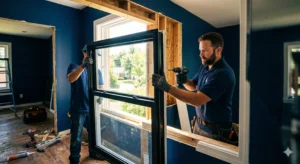
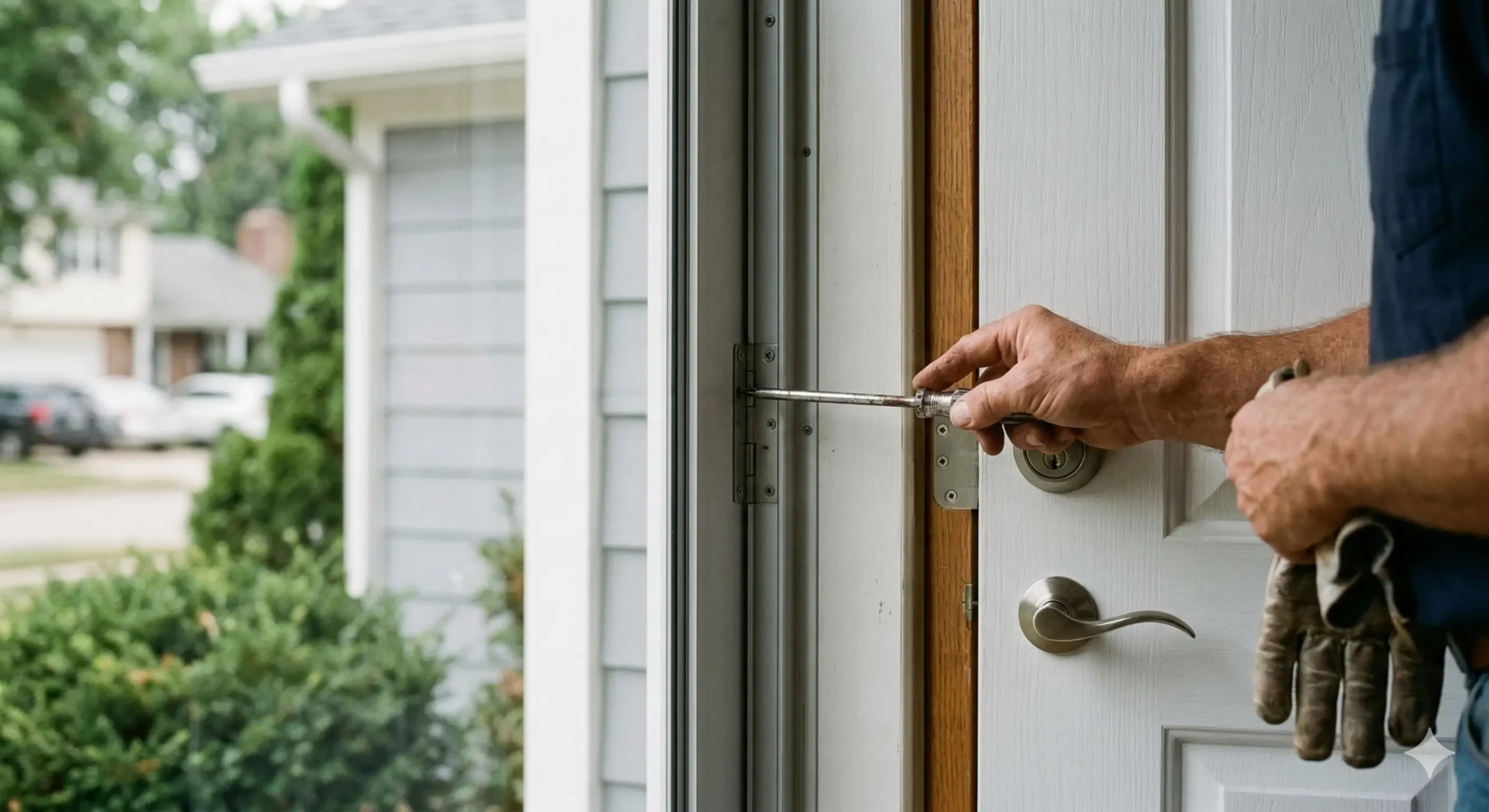
While DIY is an option, hiring a professional ensuring a proper fit and optimal performance. Proper installation is critical for sealing against the elements.
On average, homeowners pay a handyman or carpenter between $150 and $400 for a standard storm door installation. Labor costs are influenced by the local going rate and the complexity of the job.
Local market rates vary significantly. In lower-cost-of-living areas, you might find competitive rates on the lower end, while in high-cost metro areas, you should budget for the higher side of the estimate.
The complexity of the installation matters. A straightforward installation onto a perfectly square, standard door frame is faster and cheaper than a job requiring frame adjustments, trimming, or work on an older, out-of-square opening.
Key Factors That Influence Installation Cost
- Existing Frame Condition: If your door frame is rotted, damaged, or not square, significant additional labor is required. This repair work adds cost to the standard installation.
- Door Size and Type: Installing a large, heavy-duty door or an unusually sized unit takes more effort and precision. Features like retractable screens also introduce slight complexity.
- Modification Work: If the installer needs to build out the casing, install a new threshold, or perform custom trimming to make the door fit correctly, you should expect additional charges.
- Removal and Disposal: Don’t forget the old door! Most professionals will charge an extra fee to remove and dispose of your existing storm door, adding a bit more to the final bill.
Choosing the Right Storm Door Style
While cost is a primary consideration, selecting a door that matches your functional needs and home’s aesthetic is equally important.
Full-view doors, which are almost entirely glass, are ideal for maximizing light and showing off your main entry door. High-end versions often allow for switching between a glass and a screen panel.
Mid-view or half-view doors feature glass on the top half and a solid panel (often decorative) on the bottom, offering a blend of light and increased durability. These are common in many residential areas.
Self-storing doors feature an integrated screen system, typically at the top or bottom. This avoids the hassle of storing separate panels and is a versatile, albeit slightly less elegant-looking, option.
Getting Accurate Estimates
To avoid pricing surprises, it is always recommended to seek multiple written estimates from qualified local installers.
A good estimate shouldn’t be a verbal guess. Ask for a detailed, written quote that explicitly breaks down the cost of materials (if they are sourcing the door), labor, any required frame modifications, and the disposal fee.
Checking references and online reviews for any handyman or carpenter you consider hiring is always a smart practice. A proven track record of quality work is well worth the potentially slightly higher labor cost.
Is DIY Storm Door Installation Worth It?
For a handy homeowner, installing a storm door can be a fulfilling weekend project that saves several hundred dollars in labor costs.
However, it is not always a straightforward task. Proper squaring, leveling, and achieving a good seal require patience and attention to detail. A poorly installed storm door won’t perform its main job effectively.
Consider your skill level and tools carefully. If your frame is square and in good condition, and you have basic carpentry tools, you may be up to the challenge. If you encounter significant rot or the opening is far from plumb, calling a professional is likely the wiser choice.
Tips for a Successful Storm Door Project
- Measure Twice, Order Once: The most common DIY mistake is ordering the wrong sized door. Measure the exact opening width and height in multiple places.
- Prioritize a Clean Opening: Before installing, ensure the existing door casing is clean, square, and in good structural condition.
- Don’t Force It: A storm door should operate smoothly. If it’s sticking or rubbing, double-check your squaring and leveling.
- Seal it Right: A primary goal is weather sealing. Use appropriate caulking and pay close attention to the instructions for installing the sweep and header pieces.
Conclusion: A Smart Investment in Your Home
A new storm door is a practical upgrade that enhances protection, boosts energy efficiency, and improves the overall look and feel of your entryway.
By understanding the breakdown of material and labor costs, and recognizing the factors that influence final pricing, you can confidently budget for this project and select the best solution for your needs.
Whether you choose to go the professional installation route or tackle it as a DIY project, a carefully chosen and properly installed storm door is an investment that you will likely appreciate for years to come.